



DescriptionBiteku LeavesOrigin: CameroonBiteku leaves, also known as amaranth leaves, are the edible foliage of the amaranth plant (Amaranthus species*). These leaves are widely consumed across Africa, Asia, and the Caribbean, celebrated for their rich nutritional profile and versatility in cooking.1. Characteristics:Texture:Tenderness: The leaves are soft and succulent, making them ideal for quick cooking methods like sautéing, steaming, or boiling.Taste: Amaranth leaves have a mild, slightly earthy flavor. When cooked, they develop a smooth, almost spinach-like texture, although some varieties may have a slightly more robust or peppery taste.Nutritional Density:Biteku leaves are highly nutritious, packed with vitamins (A, C, K), minerals (iron, calcium, magnesium), and antioxidants that make them a valuable addition to any diet.They are also low in calories but rich in fiber, making them a healthy choice for various culinary dishes.Cooking Properties:Biteku leaves are quick-cooking, making them a convenient option for a wide range of dishes.They retain their vibrant green color when blanched or quickly sautéed and do not lose much nutritional value during cooking.Culinary Use:These leaves are highly versatile and used in a variety of cuisines, especially in African, Caribbean, and Asian dishes.They can be used in soups, stews, salads, or even blended into smoothies.2. Nutritional Information (per 100 grams)NutrientAmountCalories~23 kcalProtein~2.6gTotal Fat~0.4gSaturated Fat~0.1 gCarbohydrates~3.7 gSugar~0.4 gIron~2.6 mg3. Health Benefits:Rich in Antioxidants:Biteku leaves are packed with antioxidants, including vitamins A and C, which help neutralize free radicals in the body. This can reduce the risk of chronic diseases and inflammation, protecting cells from damage.Supports Heart Health:The high potassium content in Biteku leaves helps regulate blood pressure by balancing the effects of sodium. This contributes to better heart health and reduces the risk of high blood pressure and heart disease.The fiber in the leaves also helps reduce cholesterol levels, further supporting cardiovascular health.Bone Health:Amaranth leaves are a good source of calcium and magnesium, both of which are essential for maintaining strong bones. Consuming these nutrients regularly helps to prevent bone-related issues, such as osteoporosis, and supports overall skeletal health.Improves Digestion:The fiber in Biteku leaves promotes healthy digestion by preventing constipation and promoting regular bowel movements. Fiber also supports gut health by acting as food for beneficial gut bacteria, contributing to a balanced digestive system.Supports Immune Function:With high levels of vitamin C, these leaves boost the immune system, helping the body fight off infections and illnesses. Vitamin C also helps in the production of collagen, which is crucial for tissue repair and skin health.Prevents Anemia:The iron content in Biteku leaves helps in the production of red blood cells, preventing iron-deficiency anemia. Iron is essential for oxygen transport in the blood and ensuring proper energy levels.Aids in Weight Management:Amaranth leaves are low in calories but high in fiber, which promotes satiety and helps in managing hunger. This makes them a great addition to a weight loss or maintenance diet, as they provide essential nutrients without contributing to excessive calorie intake.Skin Health:The combination of vitamin A and vitamin C in Biteku leaves contributes to healthy skin by promoting collagen production and acting as antioxidants that protect the skin from premature aging, sun damage, and other environmental factors.Anti-inflammatory Properties:Amaranth leaves possess anti-inflammatory compounds that can help reduce inflammation in the body. This can be beneficial for those dealing with inflammatory conditions such as arthritis or joint pain.Improves Eye Health:The high vitamin A content supports good vision and eye health. Vitamin A helps protect the eyes from age-related conditions such as macular degeneration and cataracts.4. Popular Cooking Methods:Sautéing:Description: Biteku leaves are often sautéed with onions, garlic, and spices to enhance their flavor.Method: Heat a small amount of oil in a pan, then add chopped onions and garlic. Once they are softened, add the biteku leaves and cook until wilted. Season with salt, pepper, and any other spices like ginger or chili for added flavor.Boiling:Description: Biteku leaves can be boiled to soften them before adding them to soups or stews.Method: Place the cleaned leaves in boiling water and cook for 2-3 minutes or until tender. After boiling, you can use the leaves in stews or serve them as a simple side dish with a drizzle of olive oil and lemon juice.Steaming:Description: Steaming preserves the nutrients and color of biteku leaves.Method: Steam the leaves for about 5-7 minutes until they become tender. Steamed amaranth leaves can be served as a nutritious side dish or added to other vegetable dishes.Stir-Frying:Description: Biteku leaves are often stir-fried with a variety of vegetables, meats, or tofu for a quick and flavorful dish.Method: In a hot wok or frying pan, add some oil, garlic, and your choice of protein or vegetables. Add biteku leaves towards the end and stir-fry until just wilted. Season with soy sauce or other preferred sauces.Blending into Smoothies:Description: Biteku leaves can be added to smoothies to boost their nutritional content.Method: Blend fresh biteku leaves with fruits like bananas, mangoes, or berries, along with some water or juice. You can also add other superfoods such as ginger, coconut milk, or honey.Incorporating into Soups:Description: Biteku leaves are a popular ingredient in many hearty soups and broths.Method: Add the leaves towards the end of the cooking process to preserve their nutrients. They can be cooked along with meats, legumes, or vegetables to add flavor and texture.Making Sauces or Pesto:Description: Like spinach or other leafy greens, biteku leaves can be used to make pesto or sauces.Method: Blend the leaves with nuts (like cashews or almonds), olive oil, garlic, and lemon to make a nutritious pesto. This can be used as a topping for pasta, grains, or vegetables.Baking (for Flour):Description: Dried and ground biteku leaves can be used to make flour, which is then used in baking.Method: Dry the leaves thoroughly, then grind them into a fine powder. This flour can be incorporated into baked goods like bread, cakes, or pancakes to add nutrition and flavor.5. Popular Dishes:Efo Tete (Nigeria):Description: A Nigerian dish made with biteku leaves (also called “ewuro” in Nigeria), cooked in a flavorful tomato stew with onions, spices, and sometimes meat or fish.Key Ingredients: Biteku leaves, tomatoes, onions, garlic, pepper, palm oil, and meat or fish (optional).Serving: Often served with pounded yam, fufu, or rice.Callaloo (Caribbean):Description: A traditional Caribbean dish where biteku leaves (amaranth leaves) are cooked with okra, onions, garlic, and seasonings. The dish can be made with or without meat.Key Ingredients: Biteku leaves, okra, tomatoes, garlic, onions, scotch bonnet pepper, and sometimes saltfish or pork.Serving: Typically served as a side dish or with rice and dumplings.Amaranth Leaf Soup (West Africa):Description: A hearty soup made with amaranth leaves, often paired with meat, fish, or legumes. It is usually thickened with a variety of seasonings and sometimes groundnuts (peanuts).Key Ingredients: Biteku leaves, groundnuts, meat or fish, spices, onions, and tomatoes.Serving: Served with pounded yam, rice, or fufu.Amaranth Stir-Fry (Asia):Description: In many Asian cuisines, especially in India and China, biteku leaves are stir-fried with a variety of vegetables, tofu, and spices.Key Ingredients: Biteku leaves, tofu, ginger, garlic, soy sauce, and sesame oil.Serving: Typically served with rice or noodles.Amaranth Smoothie (Global):Description: Biteku leaves can be blended into smoothies for a nutritious, green drink.Key Ingredients: Biteku leaves, bananas, mango, berries, almond milk or yogurt, and honey (optional).Serving: Served chilled as a healthy drink for breakfast or a snack.Amaranth Leaf Frittata (Global):Description: A frittata made with biteku leaves, eggs, and sometimes cheese or other vegetables.Key Ingredients: Biteku leaves, eggs, cheese (optional), onions, and seasonings.Serving: Served as a breakfast or light meal, often with bread or a salad.Amaranth Leaf and Bean Stew (West Africa):Description: A hearty stew made with amaranth leaves and legumes such as black-eyed peas or kidney beans. The dish is typically spiced with ginger and garlic.Key Ingredients: Biteku leaves, beans, tomatoes, onions, spices, and palm oil.Serving: Often served with rice, fufu, or pounded yam.Kachumbari (Kenya/Tanzania):Description: A fresh salad commonly made with a mixture of raw vegetables, including biteku leaves.Key Ingredients: Biteku leaves, tomatoes, onions, cucumbers, and lime juice.Serving: Often served as a side dish with meats, ugali, or other main courses.Amaranth Leaf Pesto (Global):Description: A healthy twist on traditional pesto, made by blending biteku leaves with garlic, olive oil, nuts (such as almonds or cashews), and parmesan cheese.Key Ingredients: Biteku leaves, garlic, olive oil, parmesan cheese, and nuts.Serving: Used as a topping for pasta, bread, or grilled vegetables.Amaranth Leaf Stew (India):Description: Known as “Chaulai ki Sabzi,” this is an Indian dish where amaranth leaves are cooked with spices like turmeric, cumin, and garam masala.Key Ingredients: Biteku leaves, tomatoes, onions, turmeric, cumin, garam masala, and chili.Serving: Often served with roti or rice.6. Cleaning and Preparation:Thaw (if frozen): If using frozen leaves, thaw them in the refrigerator or by placing them in cold water.Rinse: Wash the leaves thoroughly under cold running water to remove any dirt or residues.Remove Stems: Strip the leaves from the stems. Discard any tough or woody parts.Cut (Optional): If needed, chop the leaves into smaller pieces for easier cooking.Blanching (Optional): For soups or stews, you can briefly blanch the leaves in boiling water to soften them.Once prepared, the Folero leaves are ready to be used in soups, stews, stir-fries, or other dishes.7. Storage Conditions:1. Storing Fresh Biteku Leaves:In the Refrigerator:Method: Fresh Biteku leaves should be stored in the refrigerator in a plastic bag or an airtight container to maintain moisture and prevent wilting. You can also wrap the leaves in a damp paper towel and place them in a plastic bag for added freshness.Shelf Life: Fresh Biteku leaves can last up to 3-4 days in the refrigerator. However, they are best consumed within the first two days for optimal taste and texture.Temperature: Store at a temperature of around 4°C (39°F) or lower.In Water (for Longer Freshness):Method: Another method is placing the fresh stems of the leaves in a glass of water (like flowers in a vase), covering the leaves loosely with a plastic bag, and storing them in the refrigerator.Shelf Life: This method can help the leaves stay fresh for about 4-5 days.Avoiding Freezer Burn:Ensure that the leaves are not stored in direct contact with freezer air or moisture if you plan to freeze them. This will prevent freezer burn and loss of flavor or nutrients.2. Storing Frozen Biteku Leaves:Freezing Fresh Leaves:Method: To store Biteku leaves for a longer period, it’s best to freeze them. Begin by thoroughly washing the leaves to remove any dirt or pesticides. Blanch them in boiling water for about 2-3 minutes, then transfer them immediately to ice-cold water to stop the cooking process. Drain the leaves well and pat them dry.Storage: Place the blanched, dried leaves in a freezer-safe bag or airtight container. Remove as much air as possible to prevent freezer burn.Shelf Life: When stored properly, frozen Biteku leaves can last up to 6-12 months.Storage Tip: You can freeze the leaves in smaller portions to make it easier to take out only the amount needed for cooking.3. Drying Biteku Leaves (For Long-Term Storage):Method: If you want to store Biteku leaves for even longer, you can dry them. Clean and remove any stems, then dry the leaves in a well-ventilated area or use a dehydrator.Storage: Once dried, store the leaves in an airtight container or glass jar away from moisture and sunlight.Shelf Life: Dried Biteku leaves can be stored for up to 6 months or longer if kept in a cool, dry place.4. General Tips:Avoid Excess Moisture: Whether storing fresh or frozen, it’s crucial to ensure the leaves are not excessively wet. Excess moisture can lead to mold growth or spoilage.Check Regularly: Inspect the stored leaves periodically for signs of wilting, discoloration, or mold, and discard any leaves that have gone bad.Use the Leaves Promptly: While frozen leaves last a long time, fresh leaves should ideally be used within a few days for the best texture and flavor.
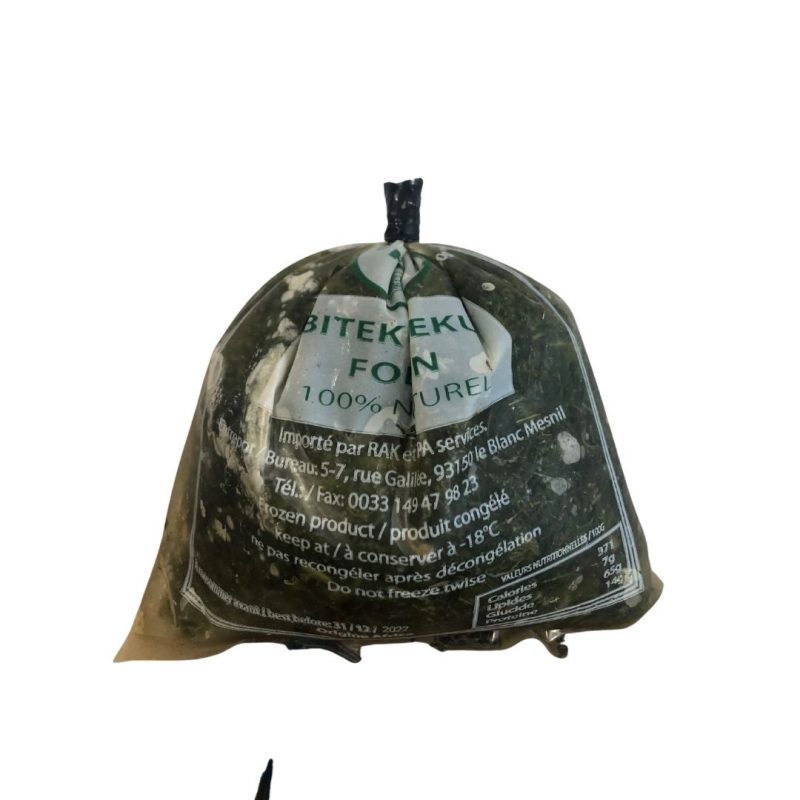
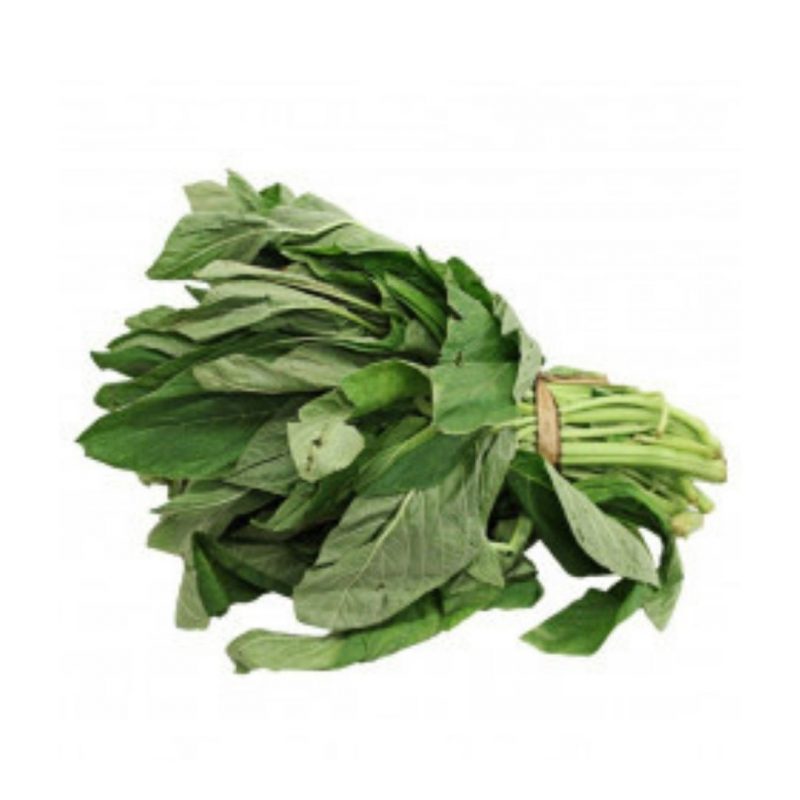


Bitekuteku Veg. 500g AfroAse
$ 3.25