



DescriptionHake FishHake is a versatile white fish belonging to the cod family, known for its mild flavor and flaky texture.NOTE: This is a VARIABLE WEIGHT PRODUCT, their weights varies so your final total might change at the point of packaging. We either balance the amount paid with other items in your order or let you know about balance to remit.1. Characteristics:Texture:Hake has a firm, flaky texture when cooked.The flesh is soft and tender, making it ideal for a variety of cooking methods.Flavor:Known for its mild, delicate flavor, hake is less intense than cod but still rich and satisfying.The taste is slightly sweet with a subtle oceanic undertone.Nutritional Profile:Hake is low in fat but rich in protein, making it a healthy choice for a balanced diet.It contains important vitamins and minerals, including vitamin B12, iodine, phosphorus, and selenium.Sustainability:Some hake fisheries are certified sustainable by the Marine Stewardship Council (MSC), ensuring responsible fishing practices.It is considered a sustainable choice when purchased from certified sources.2. Nutritional Information (per 100 grams)NutrientAmountCalories~82 kcalProtein~16.7gTotal Fat~1.2 gSaturated Fat~0.3 gCarbohydrates~0 gSugar~0 gIron~0.5 mg3. Health Benefits:High in Protein:Hake is an excellent source of lean protein, essential for muscle growth, tissue repair, and overall body function. It supports immune health and promotes satiety, helping to control hunger.Low in Fat:Hake is naturally low in fat, making it a heart-healthy option. It’s especially beneficial for individuals looking to reduce fat intake while still getting the nutritional benefits of fish.Rich in Omega-3 Fatty Acids:Hake contains a moderate amount of omega-3 fatty acids, which are crucial for heart health. These healthy fats help reduce inflammation, lower cholesterol, and support brain function.Supports Bone Health:The fish is rich in phosphorus, an essential mineral that contributes to bone strength and supports healthy teeth. Regular consumption can help maintain bone density and reduce the risk of osteoporosis.Boosts Immune System:Hake is a good source of vitamin B12 and selenium, both of which play important roles in strengthening the immune system and protecting cells from oxidative damage.Improves Brain Function:Thanks to its vitamin B12 content, hake supports cognitive health, improving memory and mental clarity. Adequate intake of vitamin B12 is also important for preventing neurological issues.Promotes Healthy Skin:The fish’s vitamin and mineral profile, including omega-3s and selenium, supports skin health, helping to maintain a youthful appearance and protect against damage from environmental factors.4. Popular Cooking Methods:Grilling:Hake can be grilled on a medium-high heat, often seasoned with herbs, lemon, or spices. This method brings out a smoky flavor and keeps the fish tender and moist.Baking:Baking hake in the oven is a simple and healthy method. It can be seasoned with garlic, butter, and herbs, then baked at 350°F (175°C) for about 15-20 minutes or until flaky.Pan-frying:Coat the hake in flour or breadcrumbs and pan-fry it for a crispy exterior while keeping the inside moist and tender. This method is perfect for fish fillets and adds a golden crunch.Steaming:Steaming hake preserves its delicate flavor and texture. This method involves cooking the fish over simmering water or broth, often with vegetables and seasonings, to maintain nutrients.Poaching:Poaching hake involves gently cooking it in a flavorful liquid, such as broth, wine, or cream. It’s a great way to infuse the fish with subtle flavors while keeping it moist and tender.Broiling:Broiling involves cooking hake directly under high heat in an oven, creating a slightly crisp and caramelized surface. It’s ideal for a quick, flavorful meal.In Soups and Stews:Hake can be added to seafood soups and stews, where it absorbs the flavors of the broth while staying tender. It’s often cooked in tomato-based or creamy soups for added richness.5. Popular Dishes:Fish and Chips:A classic British dish, hake fillets are battered and fried until golden and crispy, typically served with French fries and tartar sauce.Hake Tacos:Grilled or pan-fried hake fillets are wrapped in soft tortillas with fresh salsa, avocado, cabbage slaw, and a squeeze of lime for a delicious, fresh meal.Hake with Garlic Butter:Pan-seared hake fillets cooked in a rich garlic butter sauce, often served with steamed vegetables or rice.Hake Stew (Sopa de Pescado):A traditional Spanish or Portuguese dish where hake is simmered in a flavorful tomato-based broth with vegetables, potatoes, and sometimes saffron for added depth.Baked Hake with Herbs:Hake fillets are baked with a medley of fresh herbs, lemon, and olive oil, making a light and aromatic dish.Hake Fish Curry:A popular dish in Indian cuisine, hake is cooked in a spiced coconut milk or tomato-based curry sauce, served with rice or flatbreads.Hake Ceviche:Fresh hake is marinated in lime juice and mixed with onions, cilantro, and chili, making a refreshing and tangy seafood salad.Hake Piccata:Hake fillets are lightly dredged in flour, pan-fried, and served with a lemon-butter sauce and capers, often accompanied by pasta or vegetables.6. Cleaning and Preparation:Thawing (if frozen):If using frozen hake, thaw it by placing it in the refrigerator overnight or under cold running water for a quicker defrost.Rinsing:Rinse the fish under cold running water to remove any ice crystals, scales, or debris from the surface. If the hake is whole, make sure to clean the body cavity as well.Scaling (if necessary):If your hake has not been pre-scaled, use a fish scaler or the back of a knife to gently scrape off the scales. Hold the fish firmly and work from tail to head.Gut the Fish (if whole):For whole hake, make an incision along the belly from the vent (anus) to the gills.Remove the internal organs carefully and discard them.Rinse the cavity to ensure it’s completely clean.Filleting (if necessary):Place the fish on a cutting board. Make an incision along the backbone, cutting down to the rib cage on both sides.Use a sharp filleting knife to separate the fillets from the bones. Trim off the skin if desired.You can also remove the bones using tweezers or pliers if preparing for a dish like fish tacos or a stew.Removing the Head and Tail (Optional):You can remove the head and tail depending on your recipe or presentation preferences. Simply use a sharp knife to cut them off.Cutting into Portions (Optional):If using fillets, cut them into smaller portions according to your recipe. If using whole pieces, you can also cut the fish into steaks or chunks.Drying:Pat the fish dry with paper towels to remove excess moisture, especially if you are frying or grilling the hake.Marinating (Optional):For added flavor, you can marinate the fish in a mixture of lemon, garlic, olive oil, and herbs for 15-30 minutes before cooking.7. Storage Conditions:Fresh Hake:Refrigeration: Store fresh hake in the refrigerator at a temperature of 0–4°C (32–39°F).Shelf Life: Fresh hake should be consumed within 1-2 days to ensure the best quality and safety.Packaging: Keep it in its original packaging or place it in an airtight container or wrap it tightly in plastic wrap to prevent contamination.Frozen Hake:Freezing: If you need to store hake for a longer period, freeze it at -18°C (0°F) or lower.Shelf Life: Frozen hake can maintain its best quality for up to 6 months. After this period, it may still be safe to eat, but the quality could diminish.Thawed Hake:Refrigeration: If you have thawed frozen hake, keep it in the refrigerator and consume it within 1-2 days. Do not refreeze thawed hake.Storage Tips:Always store raw hake separately from ready-to-eat foods to avoid cross-contamination.Keep the fish in a cool area during handling and transport to maintain its freshness.If you plan to store for an extended period, freezing is the best option.
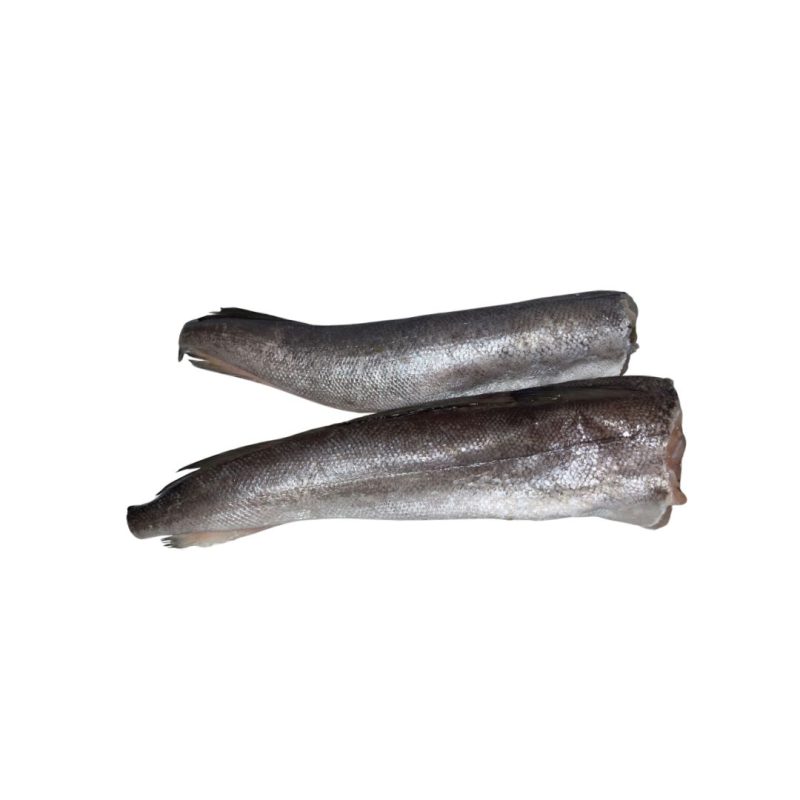


Hake Fish Kg
$ 9.64